
Understanding Paper Taping Technology in Wire Stranding
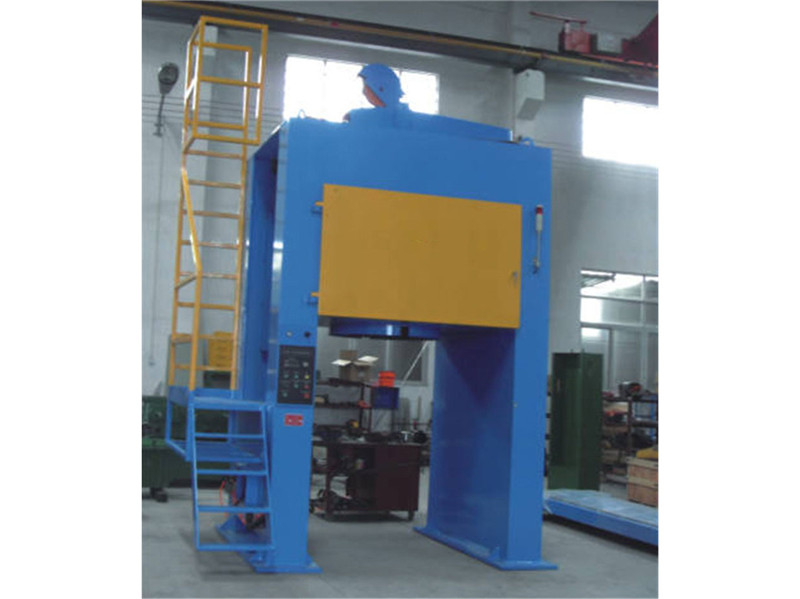
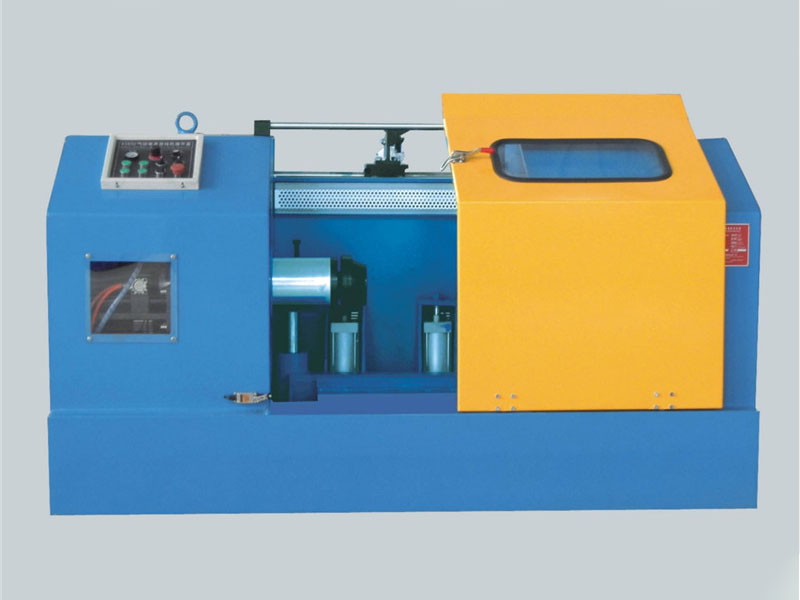
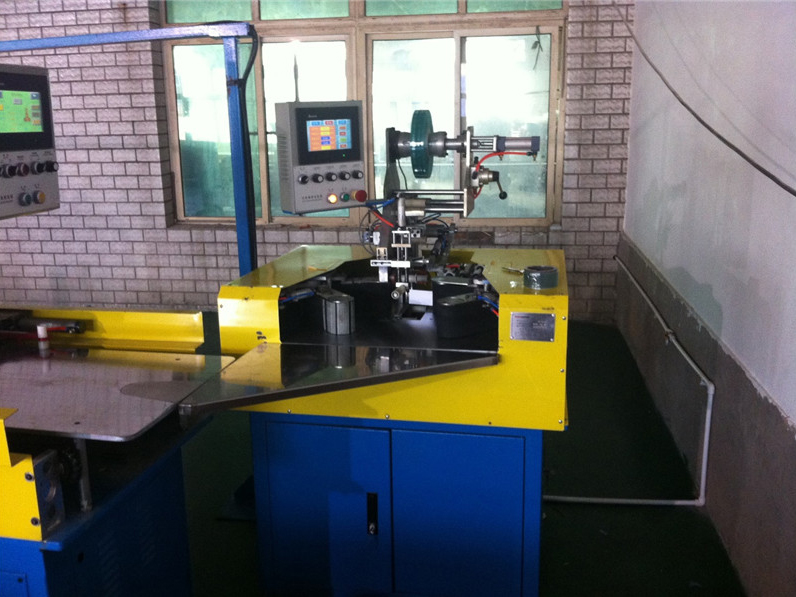
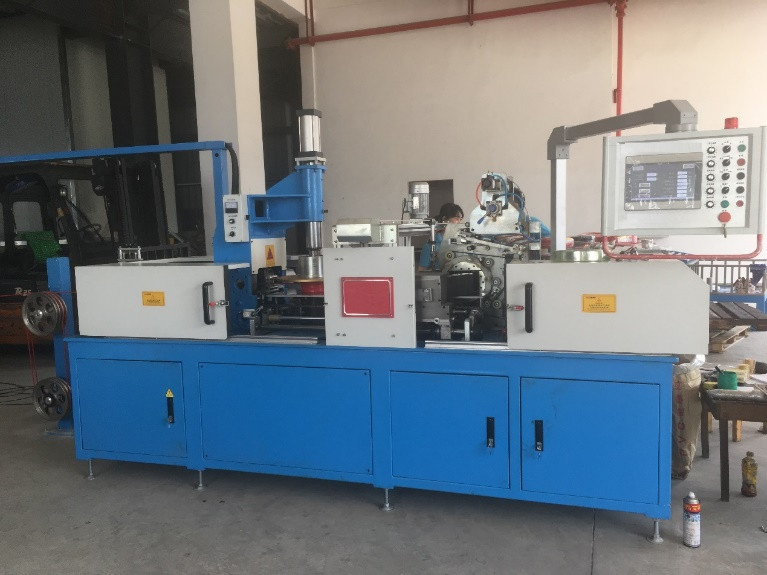
In the modern wire and cable manufacturing industry, paper taping machines play a critical role in the production of high-quality stranded wire products. These sophisticated machines apply paper insulation layers to individual wires or stranded conductors, providing essential electrical insulation, mechanical protection, and structural integrity to the final cable product.
Paper taping machines for wire stranding have become indispensable in manufacturing facilities worldwide, supporting industries from telecommunications to power transmission, automotive wiring to aerospace applications. The technology combines precision engineering with automated control systems to deliver consistent, reliable insulation performance across various wire gauges and configurations.
Market Landscape and Industry Growth
The global market for paper taping equipment in wire stranding applications has experienced significant expansion over the past decade. This growth is driven by multiple factors: increasing demand for electrical infrastructure in developing economies, the rapid expansion of renewable energy projects requiring specialized cabling, and the automotive industry's transition to electric vehicles which necessitates advanced wire harness manufacturing capabilities.
Industry analysts project continued growth through 2030, with compound annual growth rates in the cable machinery sector ranging from 4.5% to 6.8% depending on regional markets and application segments. Asian markets, particularly China, India, and Southeast Asian nations, are experiencing the most robust expansion as manufacturing capacity increases and local production capabilities mature.
Technical Evolution and Modern Applications
Contemporary paper taping machines for wire stranding incorporate several advanced features that distinguish them from earlier generations of equipment:
Precision Tension Control
Modern systems employ servo-driven tension control mechanisms that maintain consistent paper tape tension throughout the application process, preventing gaps, wrinkles, or excessive compression that could compromise insulation performance.
Multi-Head Configurations
Advanced machines feature multiple taping heads operating simultaneously, enabling complex wrapping patterns including helical wrapping, longitudinal taping, and combination methods that optimize coverage and mechanical properties.
Automated Quality Monitoring
Integrated optical inspection systems continuously monitor tape application quality, detecting defects such as gaps, overlaps, or material irregularities in real-time, triggering automatic corrections or production halts when necessary.
Application Sectors and Specialized Requirements
Paper taping machines serve diverse industrial sectors, each with unique specifications and performance requirements:
Power Cable Manufacturing: In high-voltage and medium-voltage power cable production, paper taping provides critical electrical insulation layers. These applications demand exceptional dielectric strength, thermal stability, and moisture resistance. Machines must accommodate larger wire gauges and apply multiple paper layers with precise overlap control to ensure uniform insulation thickness.
Telecommunications Infrastructure: Communication cables require paper taping for conductor separation and shield isolation. The emphasis here is on high-speed production capabilities, minimal material waste, and compatibility with subsequent processing steps such as plastic extrusion or metallic shielding application.
Automotive Wire Harness Production: The automotive sector presents unique challenges with its requirement for lightweight, flexible, and temperature-resistant wire assemblies. Paper taping machines for automotive applications must handle fine-gauge wires at high speeds while maintaining tight dimensional tolerances to ensure consistent connector compatibility.
Aerospace and Defense Applications: These demanding sectors require paper taping systems capable of working with specialized materials including flame-retardant papers, composite-reinforced tapes, and radiation-resistant insulation materials. Documentation, traceability, and quality assurance requirements are significantly more stringent than in commercial applications.
Material Science and Paper Tape Innovation
The performance of paper taping machines is intrinsically linked to the properties of the paper materials being applied. Recent developments in paper tape technology have expanded the capabilities and applications of these machines:
Composite Paper Materials: Modern paper tapes often incorporate synthetic fibers, mica particles, or other additives that enhance mechanical strength, thermal resistance, or flame retardancy. These composite materials require machines with enhanced material handling capabilities and more sophisticated tension control systems.
Environmentally Sustainable Options: Growing environmental consciousness has driven development of biodegradable and recyclable paper tape formulations. These materials present new challenges for machine operators, as their physical properties may differ from traditional kraft papers, requiring adjusted machine parameters and handling procedures.
Specialized Functional Papers: Advanced applications utilize paper tapes with embedded functional properties such as conductive layers for electromagnetic shielding, adhesive coatings for improved layer bonding, or color-coded papers for circuit identification purposes.
Process Integration and Manufacturing Efficiency
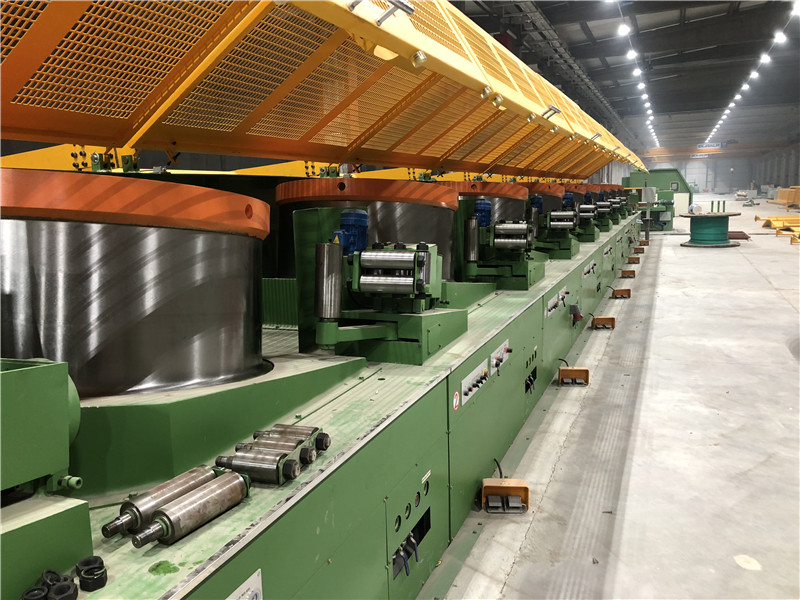
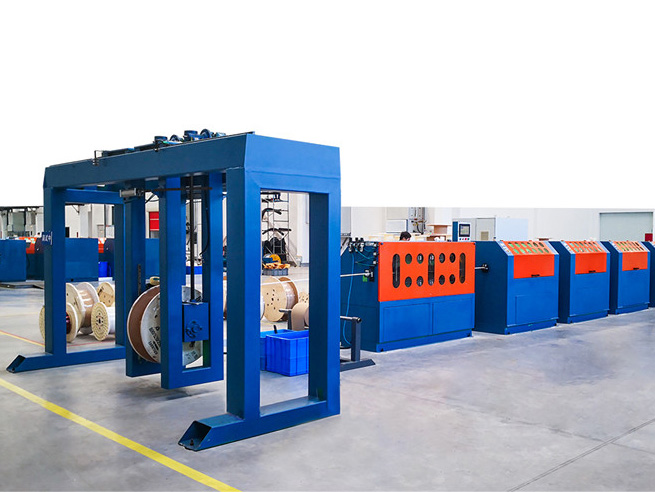
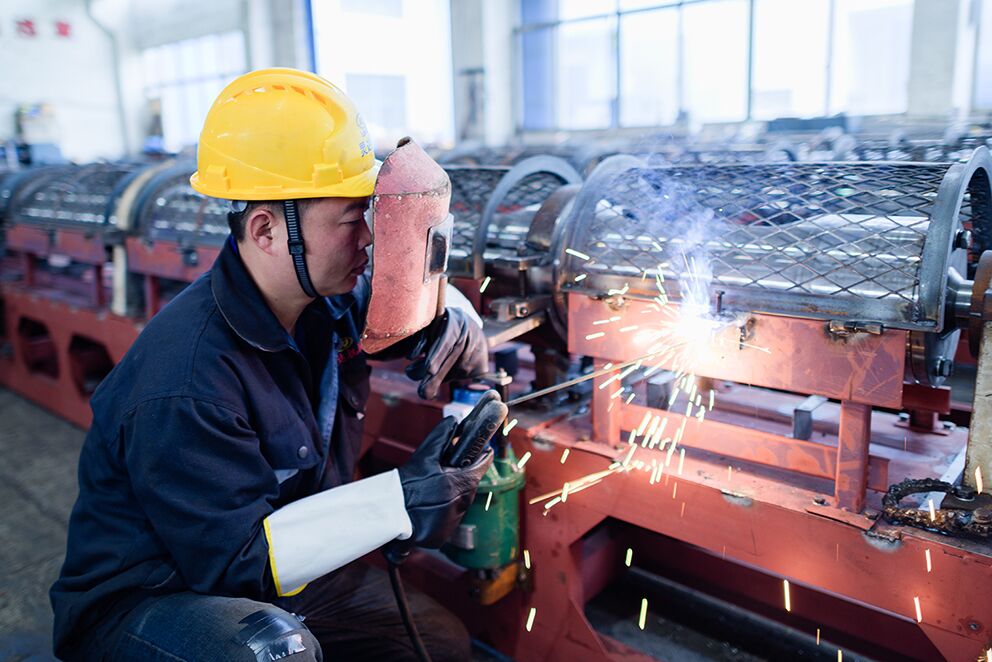
In modern cable manufacturing facilities, paper taping machines rarely operate as standalone units. Instead, they function as integrated components within comprehensive production lines that may include wire drawing, stranding, taping, extrusion, and coiling operations.
Inline Production Systems: Contemporary manufacturing approaches favor continuous inline production where wire moves from one processing station to the next without interruption. Paper taping machines in these configurations must synchronize precisely with upstream and downstream equipment, matching line speeds that can range from 50 to 500 meters per minute depending on wire gauge and application requirements.
This integration requires sophisticated control systems capable of communicating with other production equipment through industrial communication protocols such as Profibus, Modbus, or Ethernet/IP. Real-time data exchange enables coordinated speed adjustments, synchronized start/stop sequences, and integrated quality monitoring across the entire production line.
Technological Trends Shaping the Future
Several emerging trends are transforming the paper taping machine landscape and influencing purchasing decisions and manufacturing strategies:
Industry 4.0 Integration: The fourth industrial revolution is making significant inroads into cable manufacturing. Modern paper taping machines increasingly incorporate IoT connectivity, cloud-based data analytics, and predictive maintenance capabilities. These features enable manufacturers to monitor equipment performance in real-time, optimize production parameters based on historical data analysis, and anticipate maintenance requirements before failures occur.
Artificial Intelligence and Machine Learning: Advanced systems now employ AI algorithms to automatically optimize taping parameters based on material properties, environmental conditions, and quality requirements. Machine learning models can predict optimal tension settings, wrapping angles, and production speeds, continuously refining these parameters as they accumulate operational data.
Energy Efficiency and Sustainability: Environmental concerns and energy costs are driving development of more efficient drive systems, reduced material waste through improved process control, and designs that facilitate easier maintenance and longer operational lifespans. Some manufacturers report energy consumption reductions of 20-30% compared to legacy equipment through implementation of variable frequency drives, LED lighting, and optimized hydraulic systems.
Selection Criteria for Manufacturing Facilities
When evaluating paper taping machines for wire stranding applications, manufacturers must consider multiple technical and economic factors:
Production Capacity Requirements: Line speed capabilities must align with overall production targets while maintaining quality standards. Oversized equipment represents unnecessary capital expenditure, while undersized machines create production bottlenecks that limit facility throughput.
Flexibility and Product Range: Facilities producing diverse product portfolios benefit from machines offering quick changeover capabilities, wide operating parameter ranges, and compatibility with various wire gauges and paper tape specifications. Modular designs that permit configuration changes or capacity expansions provide long-term flexibility as market demands evolve.
Quality Assurance Capabilities: Integrated inspection systems, automated defect detection, and comprehensive data logging capabilities have become essential features rather than optional extras. These systems reduce scrap rates, ensure consistent product quality, and provide documentation required for quality certifications and customer audits.
Total Cost of Ownership: Purchase price represents only one component of equipment cost. Maintenance requirements, spare parts availability, energy consumption, and expected operational lifespan significantly impact long-term economics. Reputable manufacturers provide detailed TCO analyses that account for these factors over expected equipment lifecycles of 10-15 years.
Operational Excellence and Maintenance Best Practices
Maximizing the productivity and longevity of paper taping machines requires implementation of comprehensive operational and maintenance programs:
Operator Training and Skill Development: Even the most advanced automated systems benefit from skilled operators who understand machine capabilities, can recognize early signs of developing problems, and make appropriate parameter adjustments for different production scenarios. Leading manufacturers invest in comprehensive training programs that cover machine operation, basic troubleshooting, routine maintenance procedures, and safety protocols.
Preventive Maintenance Protocols: Scheduled maintenance activities including lubrication, cleaning, alignment verification, and component inspection prevent unexpected failures and extend equipment lifespan. Modern machines often incorporate maintenance reminder systems that track operating hours and alert operators when scheduled maintenance activities are due.
Spare Parts Management: Maintaining appropriate spare parts inventories minimizes production downtime when component replacement becomes necessary. Critical items such as taping heads, tension control components, and drive system elements should be readily available, particularly for facilities operating multiple shifts or producing time-sensitive orders.
Regulatory Compliance and Industry Standards
Paper taping machines and the cables they produce must comply with numerous regulatory requirements and industry standards that vary by region and application:
Electrical Safety Standards: Products manufactured using paper taping equipment must meet relevant electrical safety standards such as UL, IEC, or regional equivalents. Machine manufacturers design equipment to facilitate compliance with these standards through features such as consistent insulation thickness control, validated material compatibility, and comprehensive process documentation capabilities.
Environmental Regulations: Compliance with RoHS, REACH, and similar regulations governing hazardous materials requires careful material selection and process control. Modern paper taping machines incorporate features that support environmental compliance including dust collection systems, material tracking capabilities, and documentation systems that maintain required records.
Workplace Safety Requirements: Machine designs must incorporate appropriate safety features including emergency stops, guard systems, lockout/tagout provisions, and operator protection measures that comply with OSHA or equivalent regional workplace safety regulations.
Global Supply Chain Considerations
The paper taping machine market operates within a complex global supply chain that influences equipment availability, pricing, and support services:
Regional Manufacturing Centers: While Europe and North America historically dominated cable machinery manufacturing, Asian manufacturers have gained significant market share through competitive pricing and improved technical capabilities. Chinese manufacturers now produce equipment ranging from basic manual systems to fully automated production lines that compete with established Western brands.
Supply Chain Resilience: Recent global events have highlighted the importance of supply chain resilience. Manufacturers increasingly consider factors such as component sourcing diversity, local service availability, and supplier financial stability when making equipment purchase decisions.
International Standards Harmonization: Efforts to harmonize international standards facilitate global trade in both cable machinery and finished cable products. However, regional variations persist, particularly in electrical safety requirements and environmental regulations, necessitating careful attention to compliance requirements for specific markets.
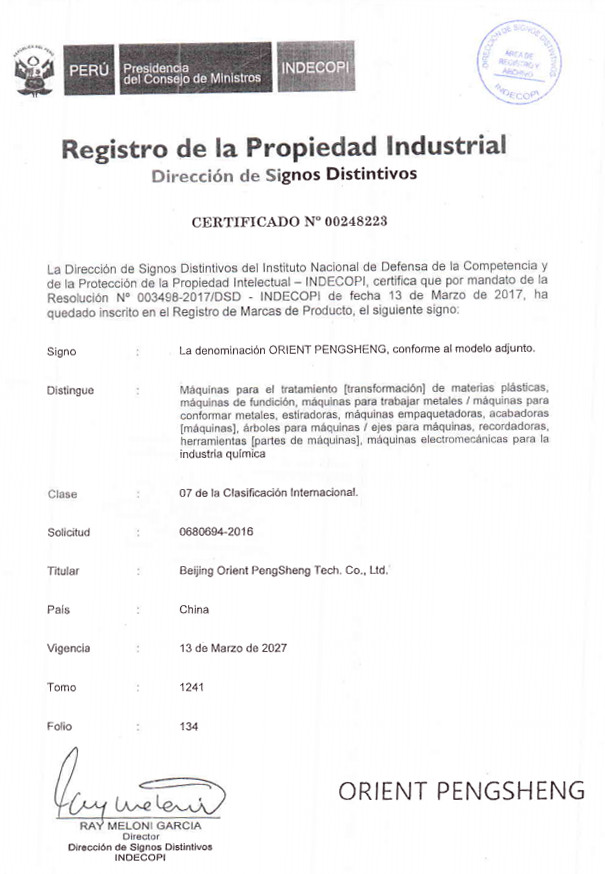
Beijing Orient PengSheng Tech. Co., Ltd.
Who We Are?
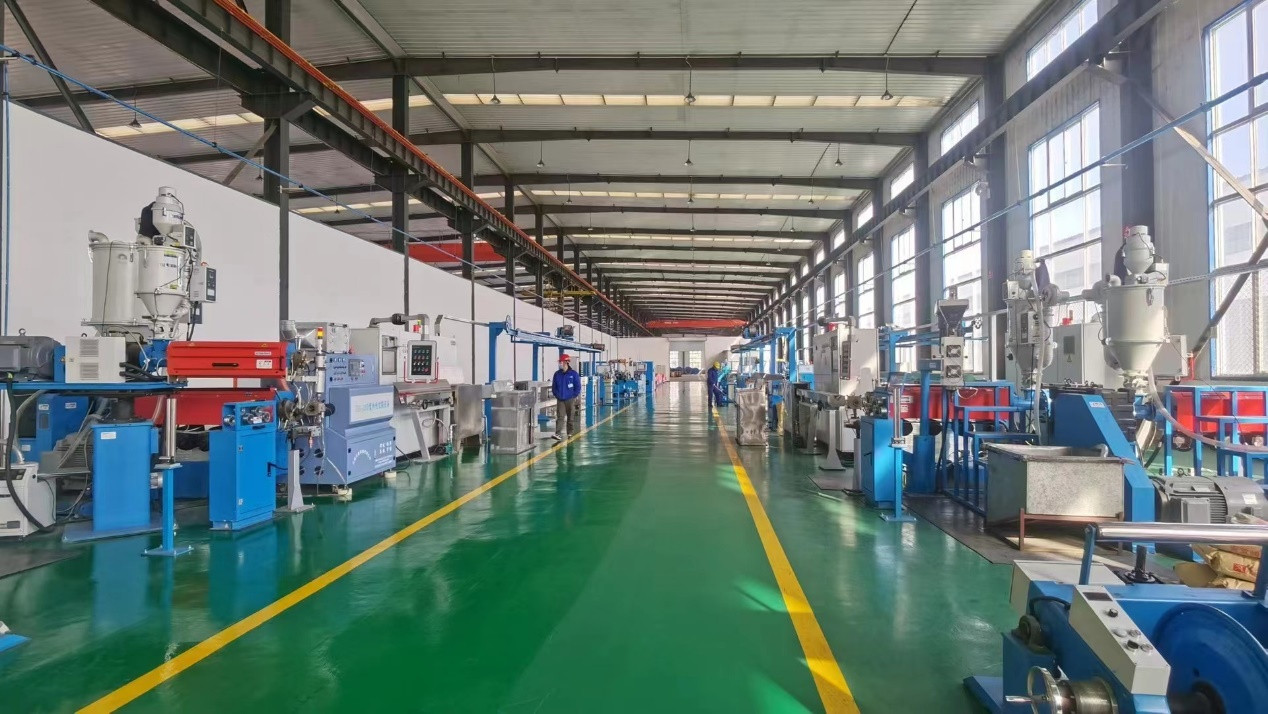
Beijing Orient PengSheng Tech. Co., Ltd. was established in 2011. We are a specialized provider on wire & cable making machines and committed to provide wire & cable processing overall solutions for global users.
With our own technology & knowhow, manufacturing facilities and management, we dedicate to introduce the best machines from China to worldwide customers.
Besides the machines, we give technical support and after sale service which is important for the end users. Thanks for the trust and our good reputation, we get our valued customers mainly in South America, Africa, East Europe and South Asia.
What We Do?
Our main products are wire and cable producing machines for processing of:
Copper and aluminum casting, extrusion, drawing; Cable extrusion, stranding, marking; Magnetic wire insulating and processing; Steel wire drawing and stranding; Flux welding wire and welding wire; PC wire drawing and PC rope stranding; Heat treatment and galvanizing;
Besides machines, we give technical consultation for before sales and technical service for after sales. It is always important for customers to get active service to ensure the machine start and run well. Our experienced service team is ready to communicate by email, phone and video or go for on-site support.
Why Choose Us?
1. Hi-Tech manufacturing equipment
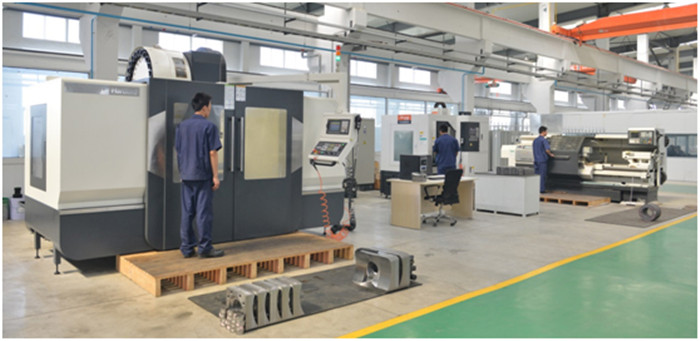
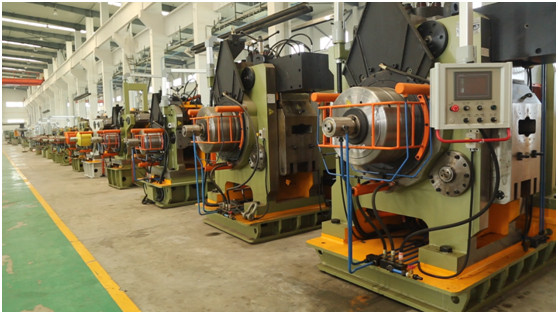
We use advanced manufacturing equipment and core manufacturing equipment is imported directly from Germany.
2. High-quality and mature products
We have provided hundreds of machines or lines in the global market. Our machineries and lines are used in over 30 countries.
3. Professional and timely service
We have our service department. All technicians are high educated with industry backgrounds. No matter for pre-sales consultation, on-site installation & training and after sale service, our professional and timely service will support to make the process of project going smoothly and quickly.
Our Factory
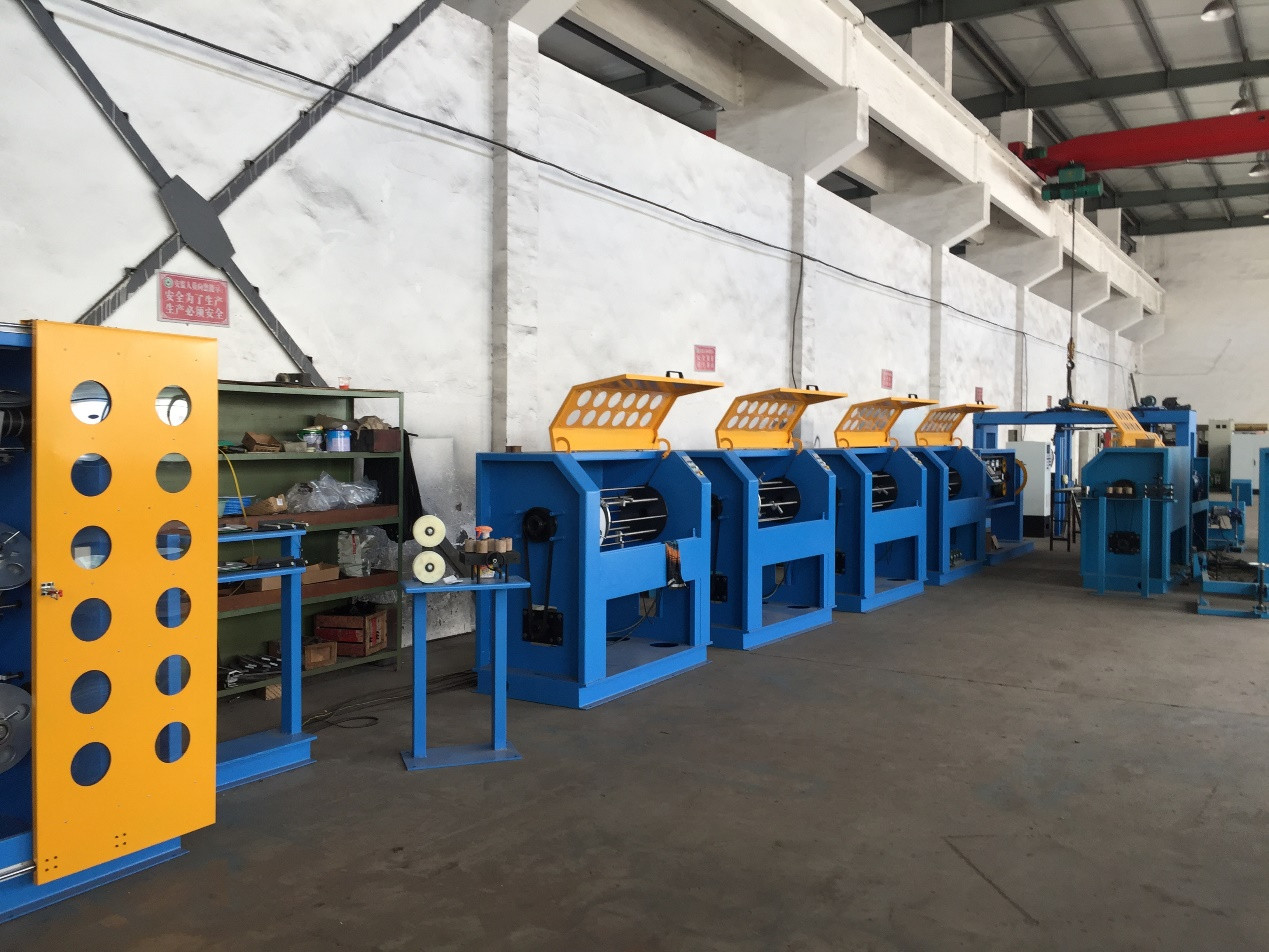
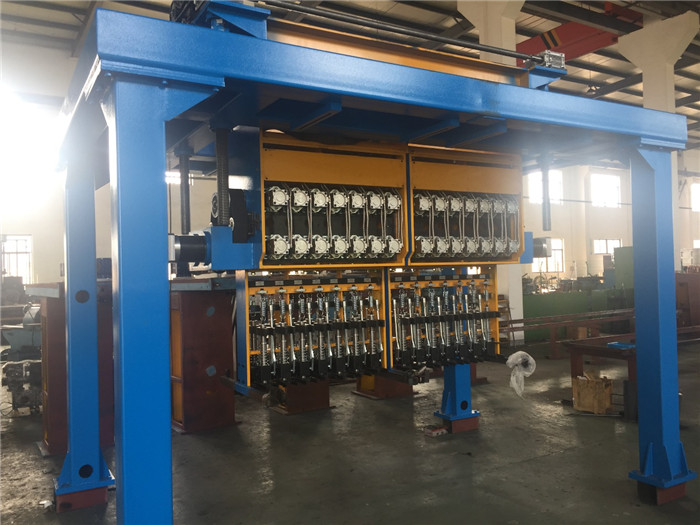
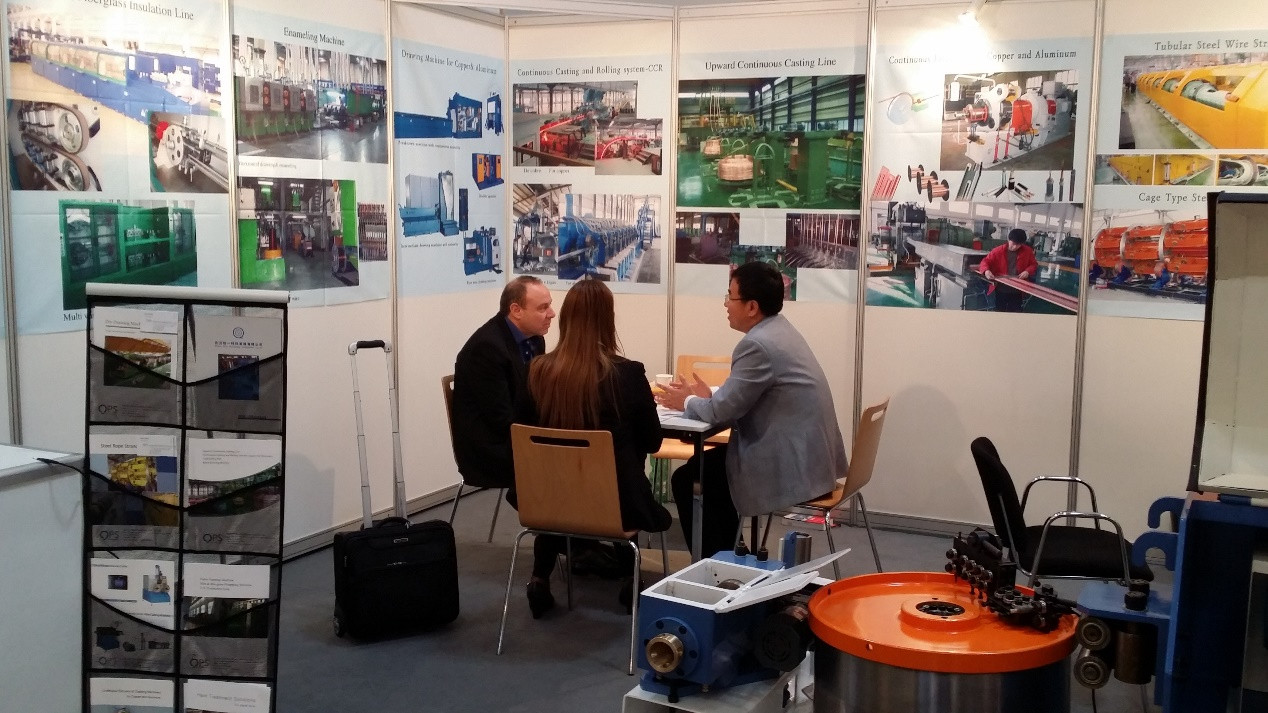
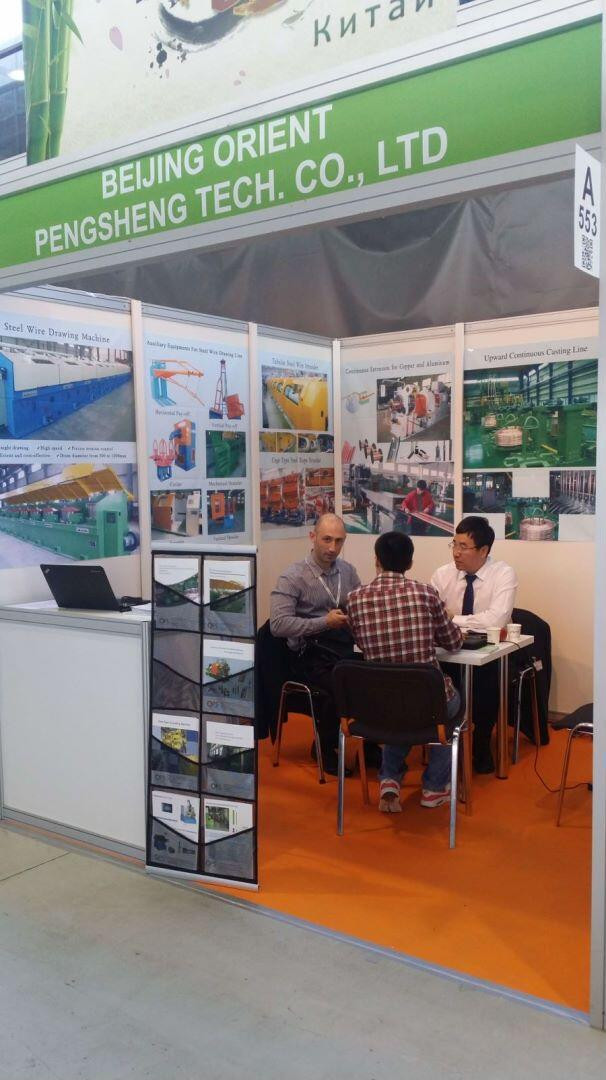
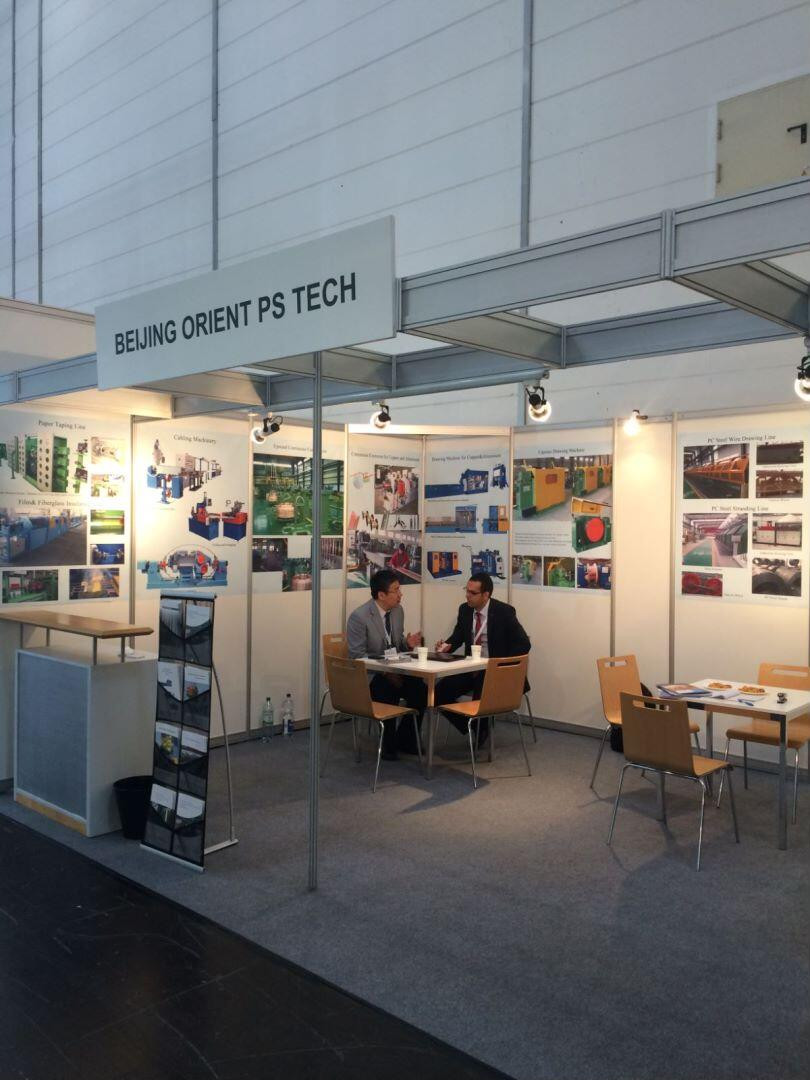
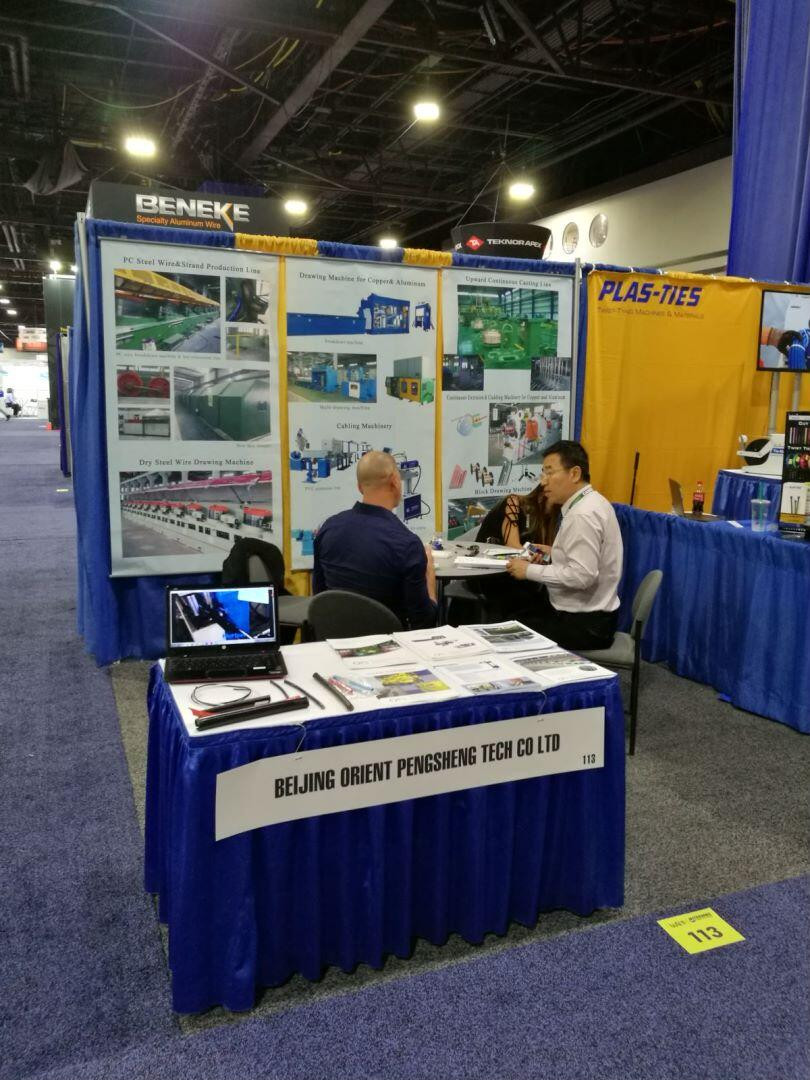
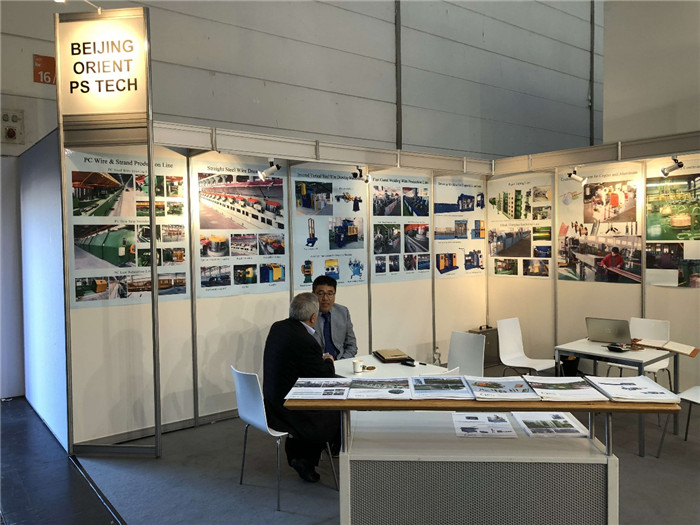
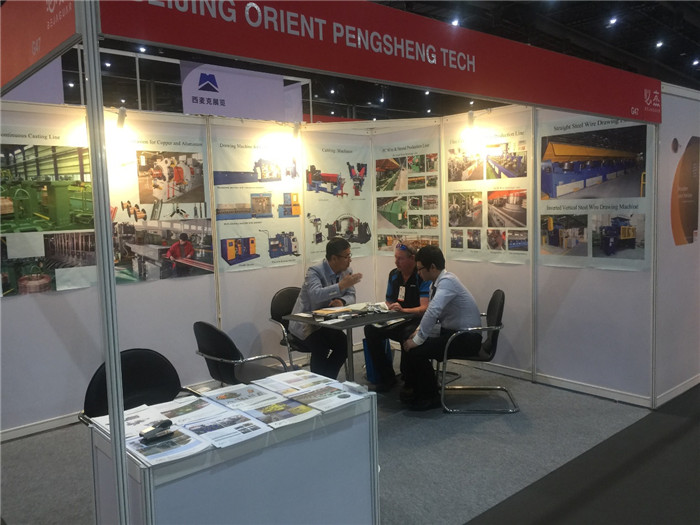
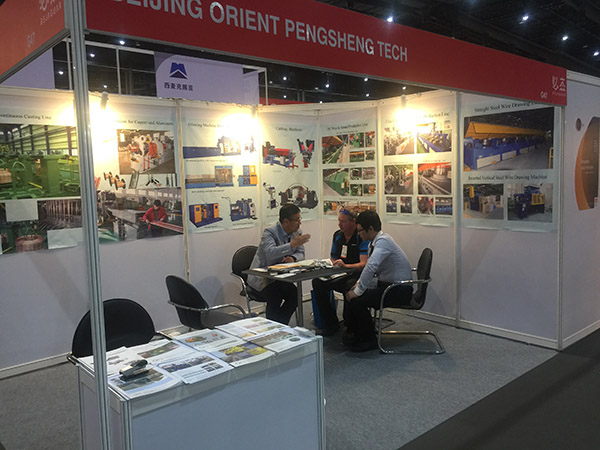
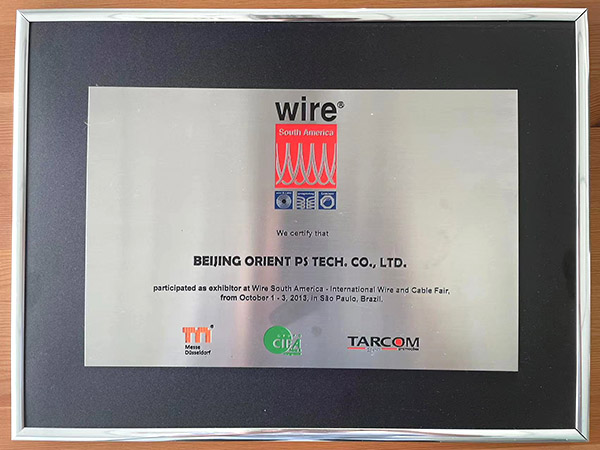
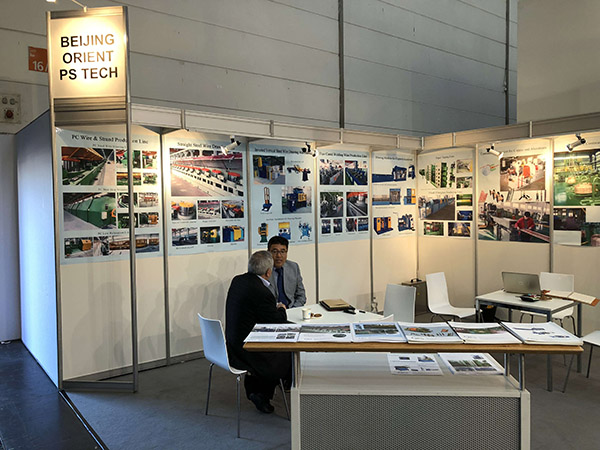
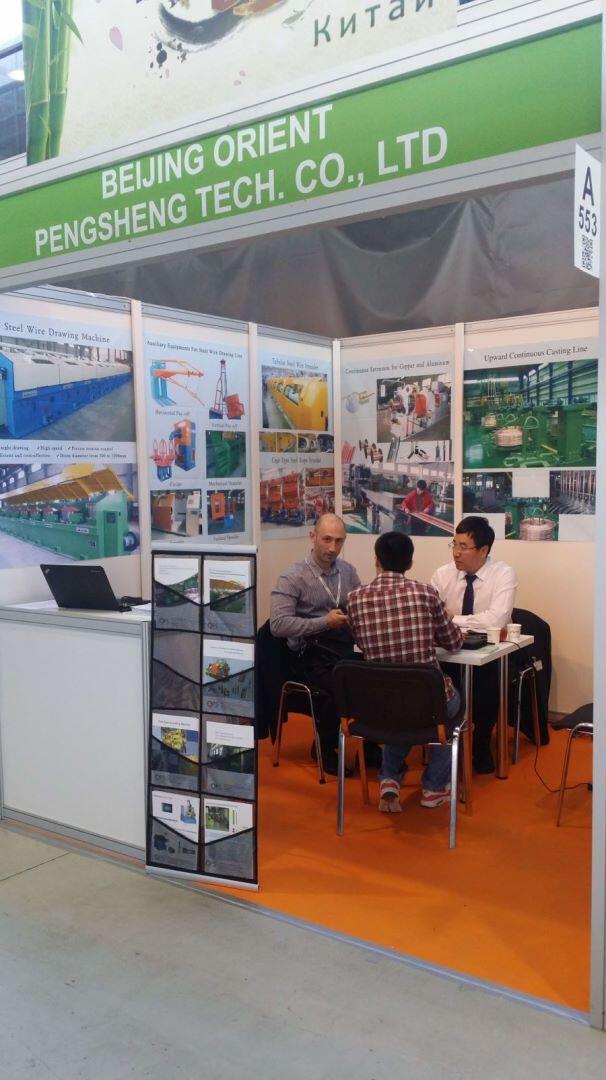
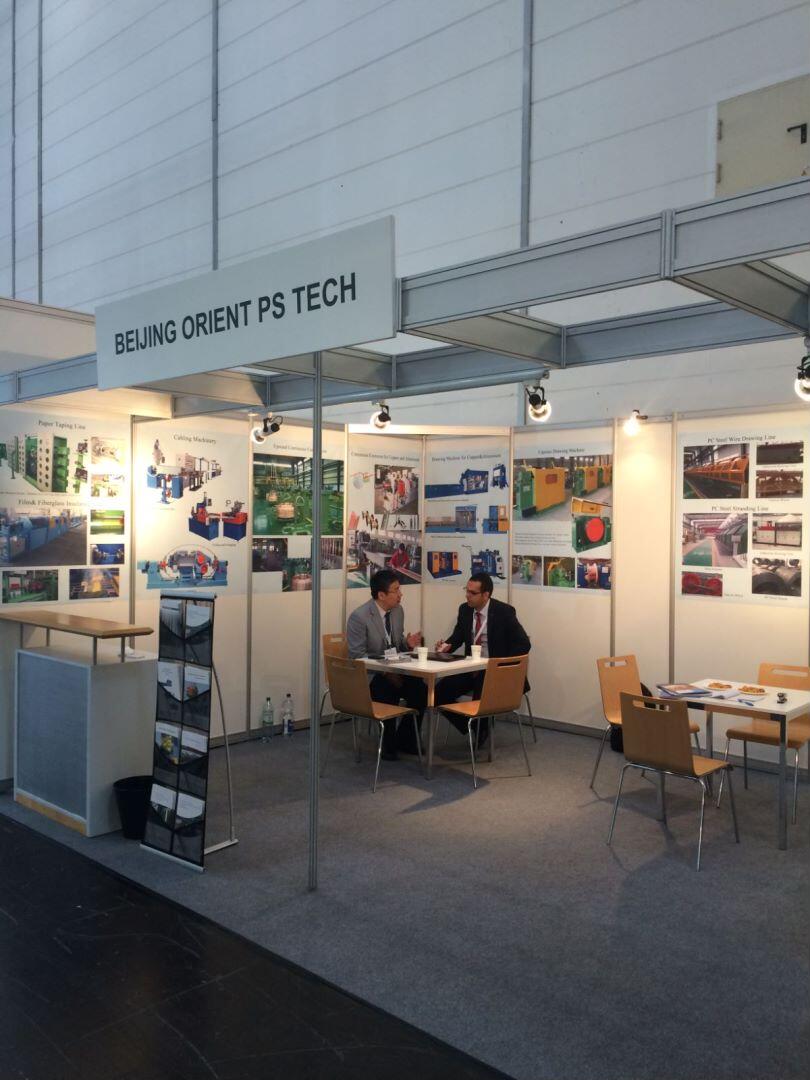
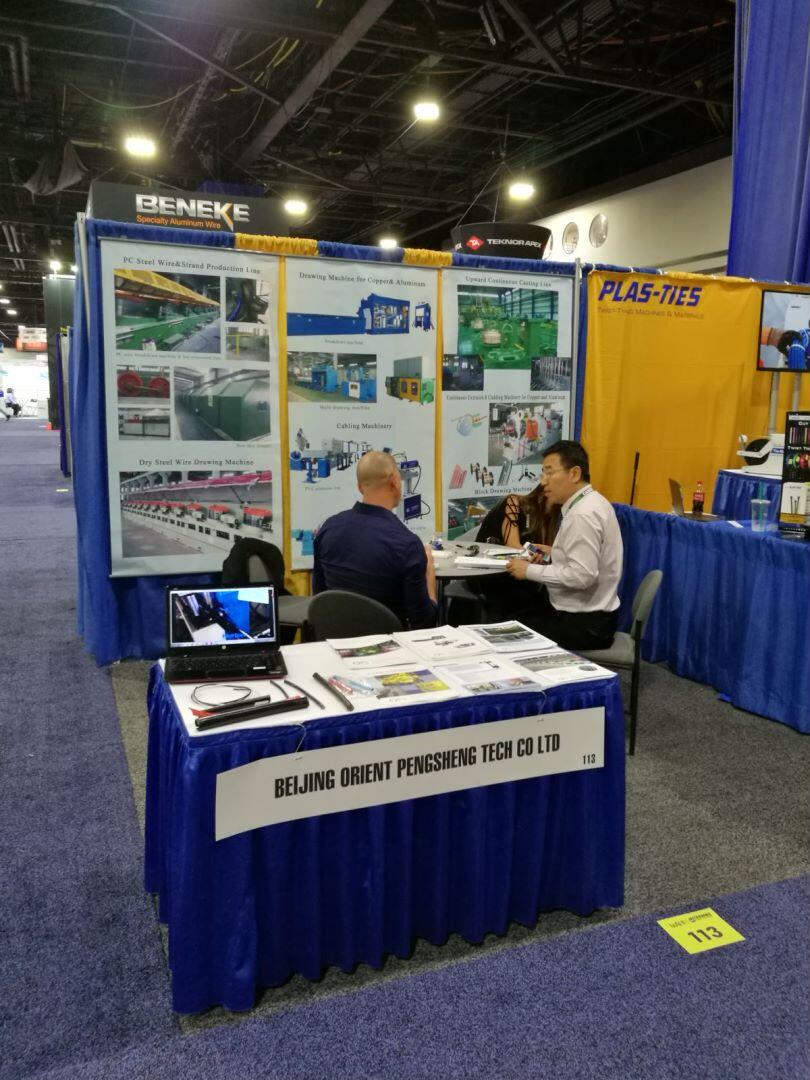
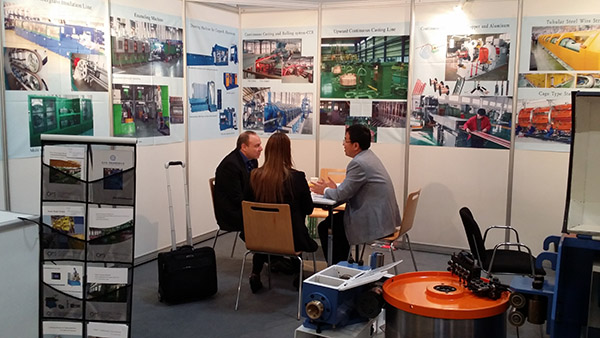
Exhibitions
Related Products for Wire Stranding Solutions
Ready to Upgrade Your Wire Stranding Production?
Contact Beijing Orient PengSheng Tech. Co., Ltd. for professional consultation on paper taping machines and complete wire stranding solutions tailored to your manufacturing needs.